
"is in 1930"
1000 article(s) found

Flavor characteristics of Brazilian Santos Coffee introduction of Brazilian Santos bourbon varieties of coffee beans
Professional coffee knowledge exchange more coffee bean information please follow the coffee workshop (Wechat official account cafe_style) what are the flavor and taste characteristics of Brazilian Santos coffee? Is the Brazilian Santos a bourbon? What are the flavors and characteristics of bourbon? Santos-17 Brazil Santos SS Fine Cup SC 18 talking about Brazil Santos, except for the football team

What are the grades of Kenyan coffee beans?
Coffee beans in Kenya are graded by particle size, usually divided into AA, AB, C, T, TT, MH, ML and other grades, and the quality is also in descending order. AA+ is the highest grade of Kenyan coffee, and only batches with particularly good flavor and few defects are allowed to do so. In the 1930s, a Tanzanian species was used by the Scott Lab in Kenya.

The Cultural History of Fine Coffee the corporate culture of Nestle Coffee Company
Nestle Coffee originated in 1930. When the Brazilian government came into contact with Nestl é, coffee authority Max Morgentel immediately set out with his research team to develop a way to mix with water while keeping the coffee authentic. After seven years of research in a Swiss laboratory, they finally found the answer. Nestle Coffee has become a world-famous brand. two

Where does the bitterness in premium coffee come from?
A cup of coffee is a complex drink made up of more than 30 chemicals that determine the taste, aroma and acidity of the coffee. Since the 1930s, scientists have isolated and identified a variety of chemicals related to the sensory composition of coffee, but no one can figure out what makes coffee so bitter. In order to solve this mystery, science has to cook.

The characteristic Flavor of Coffee beans in Cochell Manor, Ethiopia
The characteristic flavor of coffee beans at Cochell Manor in Ethiopia Haile Selassie was made regent in 1916 and became king in 1928. On November 2, 1930, he was crowned Emperor Haile Selassie I. In 1936, Italy invaded again, occupied Addis Ababa, conquered Ethiopia, and Selassie went into exile in London. The allies defeated Italy on May 5, 1941.

Introduction to the characteristics of grinding degree treatment method for Burundian AA coffee flavor varieties in producing areas
Characteristics of Burundi Coffee: Burundi (Burundian) has the most diverse and successful coffee industry in the world, and has its own characteristics. Burundian coffee is fragrant and has excellent acidity. Flavor: mellow taste, rich aroma, excellent acidity suggested baking method: medium to deep baking ★★: good tail rich and long-lasting through the introduction of the Bilishi
Brief introduction and Development of Nestle Coffee
Nestle Coffee originated in 1930. When the Brazilian government came into contact with Nestl é, coffee authority Max Morgentel immediately set out with his research team to develop a way to mix with water while keeping the coffee authentic. After seven years of research in a Swiss laboratory, they finally found the answer. Nestle Coffee has first become a world-famous brand. two

What does mocha mean? Have you ever drunk the Yemeni mocha coffee beans of the war nirvana?
Professional coffee knowledge exchange more coffee bean information please follow the coffee workshop (Wechat official account cafe_style) mocha coffee _ fancy mocha coffee _ Mocha_ mocha coffee pot mocha the word mocha is a foreign word transliteration, there are four meanings in coffee industry terms 1. Mocha pot (Moka Express) comes from Italy in the 1930s
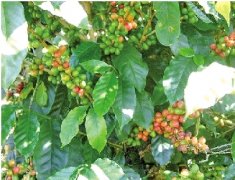
Kenyan boutique coffee Jiatugi processing plant in Kenya Nyeri producing area
There are many producing areas in Kenya that strive to preserve the native forest ecosystem, protect the natural gene pool, support the reproduction of wild coffee varieties and breed a variety of coffee trees. In 1930, the unique varieties of SL28 and SL34 in Kenya, which were cultivated and named by Scott Laboratories laboratory, were born in such a good environment. According to botanists in SL laboratory, SL28 and SL34 are

Flavor description of Burundian Rocasta Coffee Bean introduction to the taste characteristics of varieties
Flavor description of Burundian Rocasta coffee beans in the introduction of the taste characteristics of the varieties, at least 200000 of the population of both sides were slaughtered, while the Tutsi, who had a population of 65000, were slaughtered to less than 5000. The massacre lasted until 2002, when the Tutsi government finally signed an armistice with four different Hutu rebels under international mediation.

Characteristics, flavor and taste of Burundian coffee beans introduction to Manor quality Brand
Burundi Coffee Bean Flavor description method Burundian (Burundian) has the most diverse and successful coffee industry in the world, and has its own characteristics. Coffee in this country was introduced by Belgian colonists in 1930 and is now grown only on small farms. Unfortunately, many of these farms are located on the border with war-torn Rwanda, which gives coffee production
Analysis of coffee composition where does the bitterness in coffee come from
A cup of coffee is a complex drink made up of more than 30 chemicals that determine the taste, aroma and acidity of the coffee. Since the 1930s, scientists have isolated and identified a variety of chemicals related to the sensory composition of coffee, but no one can figure out what makes coffee so bitter. In order to solve this mystery, science has to cook.

Burundian Breer processing Plant introduces Burundian Coffee Flavor introduces Burundian hand-flushing parameters
For more information on coffee beans, please follow the coffee workshop (Wechat official account cafe_style) Burundi, a small African country sandwiched between Rwanda, the Republic of Congo and Tanzania. The history of coffee cultivation in Burundi began in the 1930s when coffee was introduced into the country by the Belgians. Since 1998, Burundi will produce coffee with NG
Basic knowledge of coffee where does the bitterness in coffee come from
A cup of coffee is a complex drink made up of more than 30 chemicals that determine the taste, aroma and acidity of the coffee. Since the 1930s, scientists have isolated and identified a variety of chemicals related to the sensory composition of coffee, but no one can figure out what makes coffee so bitter. In order to solve this mystery, science has to cook.

Coffee Bean Manor introduces organic coffee from Papua New Guinea
Organic coffee (Purosa Estate M10 JAS Organic) in Papua New Guinea the seeds of coffee from Papua New Guinea were introduced from Jamaica, Kenya, Tanzania and other countries more than 70 years ago in the 1930s. Formal planned cultivation since the 1950s; the main producing areas are Groca and Madha in the central mountains. This Polosa.
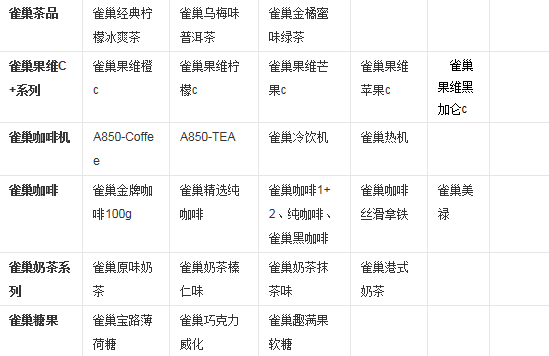
The Origin and Development of Nestle Coffee
Nestle Coffee originated in 1930. When the Brazilian government came into contact with Nestl é, coffee authority Max Morgentel immediately set out with his research team to develop a way to mix with water while keeping the coffee authentic. After seven years of research in a Swiss laboratory, they finally found the answer. Nestle Coffee has become a world-famous brand. two
What are the grades of Kenyan coffee beans?
Coffee beans in Kenya are graded by particle size, usually divided into AA, AB, C, T, TT, MH, ML and other grades, and the quality is also in descending order. AA+ is the highest grade of Kenyan coffee, and only batches with particularly good flavor and few defects are allowed to do so. In the 1930s, a Tanzanian species was used by the Scott Lab in Kenya.

Introduction and Development of Nestl é Coffee Brand
Nestle Coffee originated in 1930. When the Brazilian government came into contact with Nestl é, coffee authority Max Morgentel immediately set out with his research team to develop a way to mix with water while keeping the coffee authentic. After seven years of research in a Swiss laboratory, they finally found the answer. Nestle Coffee has first become a world-famous brand. two

Grinding scale of Burundian Coffee beans with Fruit Flavor introduction to the production area of manor by variety treatment
Burundi coffee was introduced by Belgian colonists in 1930. Unfortunately, many of these farms are on the border with war-torn Rwanda, putting pressure on coffee production. Burundian coffee bears a striking resemblance to neighboring Rwanda, where coffee from the two countries is often confused. Coffee is grown in Burundi